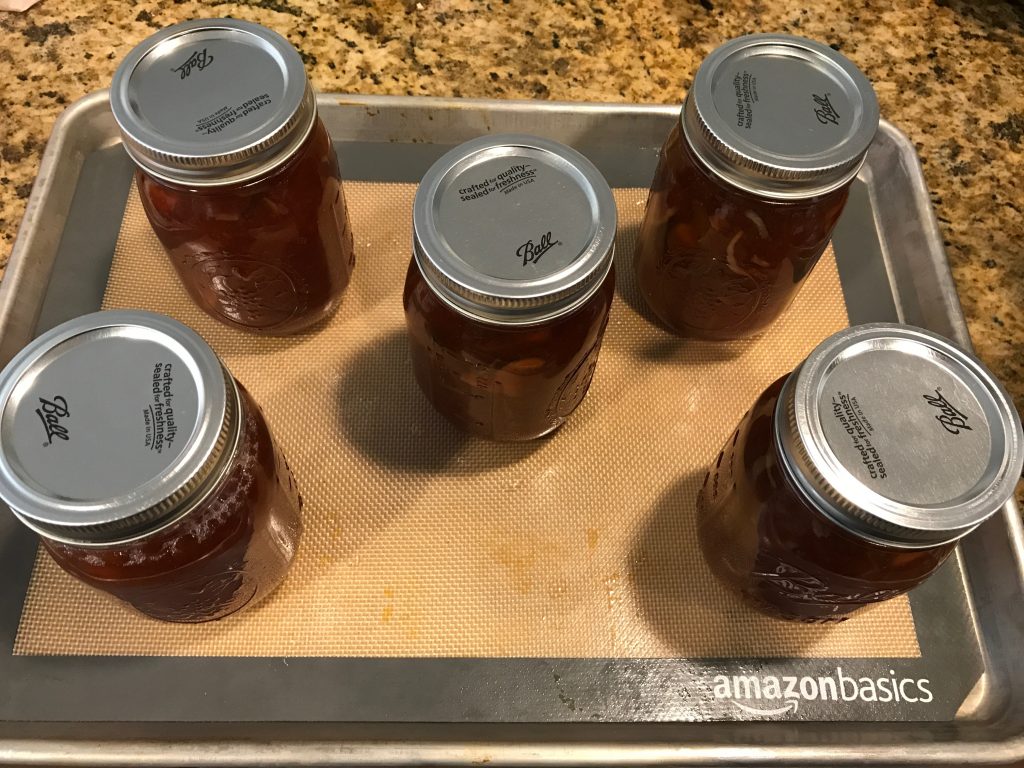
This bright, sweet-tart marmalade pairs fresh lime with rhubarb and a warm hint of ginger. Preparing the thinly sliced fruit takes a little patience, but the result brings a lively citrus bite to toast, scones, yogurt, and desserts.
Rhubarb-Lime Marmalade with Ginger
A vivid sweet-and-sour marmalade made with thinly sliced limes, rhubarb, fresh ginger, and sugar.
Yield: About 5–6 pints Prep: Cook:
Ingredients
- 600 grams fresh, unblemished limes, plus additional limes for juice
- 400 grams trimmed rhubarb stalks
- 1.4 liters filtered water
- 1,700 grams granulated sugar
- One 2-centimeter piece fresh ginger, peeled and cut into 4 slices
Equipment
- Heavy, nonreactive stockpot
- Large glass bowl
- Silicone spoon and ladle
- Citrus reamer or press
- Mandoline or very sharp knife
- Candy or instant-read thermometer
- Clean jars with lids
- Boiling-water canner and canning tools, only if following a tested canning process
Instructions
- Scrub the limes well under running water. Halve them and extract the juice with a reamer or citrus press.
- Slice the rhubarb crosswise as thinly as possible and place it in a large glass bowl. Peeling the rhubarb is unnecessary; remove only any especially tough or damaged strings.
- Trim and discard the pointed ends of the squeezed lime halves. Quarter the halves lengthwise, slice them very thinly, and add them to the bowl.
- Measure the lime juice and squeeze additional limes as needed to make 600 milliliters. Add the juice, water, and ginger to the bowl and stir.
- Transfer the mixture to a heavy, nonreactive stockpot and bring it to a boil over medium-high heat. Cover, reduce the heat to low, and simmer for 1 hour, until the lime peel and rhubarb are very soft. Remove and discard the ginger.
- Over low heat, gradually stir in the sugar until completely dissolved, about 5–10 minutes.
- Increase the heat and bring the mixture to a vigorous boil. Cook uncovered for 45–60 minutes, stirring frequently and scraping the bottom to prevent scorching, until it reaches the jellying point—about 220°F (105°C) at sea level.
- For refrigerator marmalade, carefully ladle into clean, heat-safe jars, leaving room at the top. Cool, cover, and refrigerate promptly.
Storage and canning
Canning note: This is a personal recipe and has not been laboratory-tested for shelf-stable home canning. Refrigeration is the conservative storage choice. For pantry storage, use a tested marmalade recipe and its exact jar size, headspace, processing time, and altitude adjustment from the National Center for Home Food Preservation or another research-based extension source.
Notes
The jellying temperature changes with elevation because water boils at a lower temperature above sea level. A chilled-plate test can provide a useful second check for set. Refrigerate after opening.